Zcash's 1,486% Surge: What's Driving This and Is It Sustainable?
Zcash's 10x Surge: Privacy Play or Just Another Crypto Pumping Scheme?
The Zcash Rocket: Ascent or Anomaly?
Zcash (ZEC), a privacy-focused cryptocurrency, has seen a meteoric rise. A 10x increase in five weeks, from roughly $74 to nearly $750. Those are meme-stock numbers, not what you typically see in established crypto (if anything in crypto can be called "established"). The question, of course, is whether this surge is driven by genuine demand for privacy, or simply a speculative bubble inflated by… well, hot air.
The narrative being pushed is that growing concerns about Bitcoin's centralization and corporate influence are fueling the Zcash rally. And there's some truth to that. The sentencing of the Samourai Wallet developer, Keonne Rodriguez, certainly added fuel to the fire. Five years – the maximum – for operating an unlicensed money transmitter. It’s a heavy-handed message, and it’s not surprising it spooked some Bitcoin users.
But narratives are cheap. Let’s look at the data.
Zcash's market cap is now north of $11 billion, placing it among the top 20 cryptocurrencies. That's a significant jump, but it's also worth remembering that Zcash is still 79% below its all-time high from 2016. (Back when crypto was even wilder than it is now.) So, while it’s a surge, it’s a surge from a pretty low base.
And this is the part of the analysis I find genuinely puzzling. Zcash has been around since 2016. Privacy concerns about Bitcoin aren't exactly new. So why now? What’s changed in the last five weeks to trigger this sudden explosion?
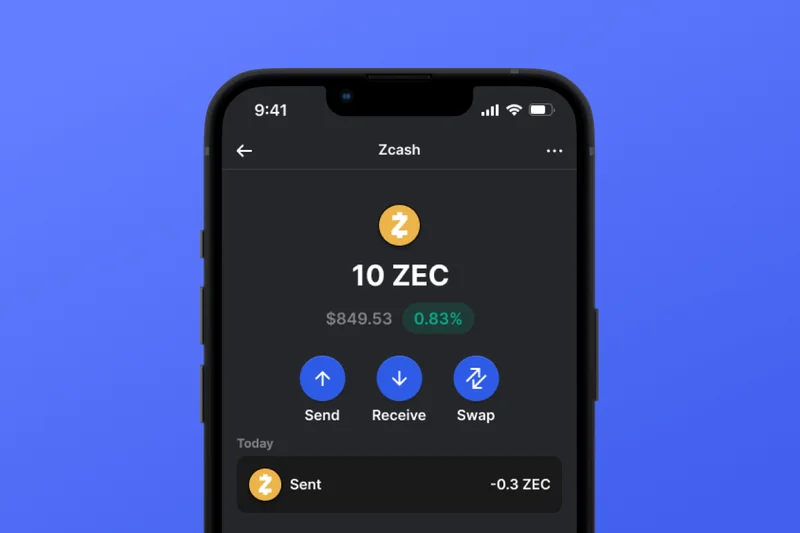
Decoding the Drivers: Privacy vs. Speculation
Nansen analyst Jake Kennis points to a few factors: increased demand for private transactions, improvements in Zcash's technology (specifically, the Zashi wallet and Solana integration), and its Bitcoin-like tokenomics. Let’s break those down.
The "shielded pool" – where Zcash transactions become fully encrypted – is expanding. That's a good sign, suggesting actual usage of the privacy features. The Zashi wallet simplifying shielded transactions is also a plus. Usability has always been a major hurdle for privacy coins. And the Solana integration expands Zcash's reach, giving it access to a larger user base.
However, the derivatives market tells a different story. The extremely negative funding rate suggests a crowded short position that was squeezed as the price climbed. In other words, a classic short squeeze amplified the rally. As Kennis notes, “There is certainly speculation beyond the technology at this point, having increased by over 1,486% in just the last 3 months." Zcash soars 1,486% in 3 months and reaches highest price since 2018
The liquidation numbers are telling. Over $59 million in Zcash positions were liquidated on Friday, compared to $150 million for Bitcoin and $146 million for Ethereum. While those Bitcoin and Ethereum numbers are larger, consider the relative market caps. Zcash liquidations were proportionally much higher, suggesting a greater degree of speculative leverage.
My analysis suggests that while privacy concerns and technological improvements are playing a role, speculation is the dominant driver of this rally. The short squeeze, combined with renewed attention from crypto influencers like Arthur Hayes and Barry Silbert, created a perfect storm for a pump.
A Calculated Gamble, Not a Revolution
Zcash's surge is a fascinating case study in the dynamics of the crypto market. Privacy concerns are real, and Zcash offers a solution. But let's not pretend this is purely about ideology. It's a complex mix of genuine demand, technological advancements, and, let’s be honest, good old-fashioned speculation. Proceed with caution.
Related Articles
Zcash's Big Price Pump: What It Is, Why Everyone's Suddenly Talking, and If You Should Care
So, the ghost in the machine is twitching again. Zcash (ZEC), the crypto world’s Schrödinger's cat o...
Zcash Comeback in 2025? What's the Truth?
Zcash: The Crypto Savior or Just Another Flash in the Pan? So, Zcash is back, huh? Apparently, it's...